
EB Biobank
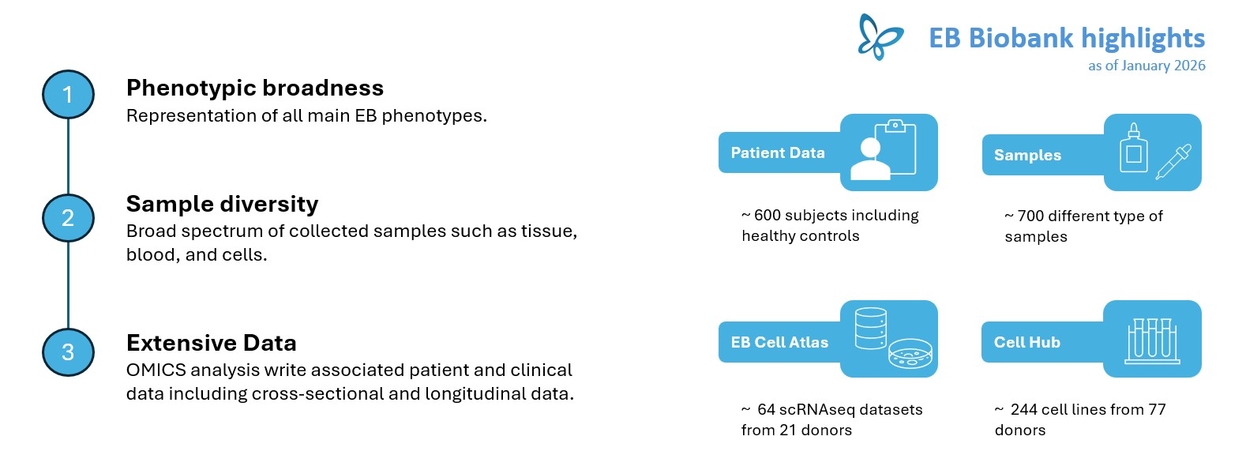
The EB Biobank consists of systemically collected and processed biological samples and related clinical data with a focus on EB patients.
The sample diversity and the detailed patient data including scRNAseq data allows us unprecedented insight into pathogenic events especially for rare diseases.
Patient data
Core Data
• EB type, gene mutation, age of patient at time of sampling, diagnostic indication
Sample-associated data
• Type of wound, age of wound, itch and pain score, topical treatments, type of dressing
Digital pictures
• Wounds and SCC
iScoreEB Data
• incl. subscores, longitudinal data
Biological Samples
Types of samples
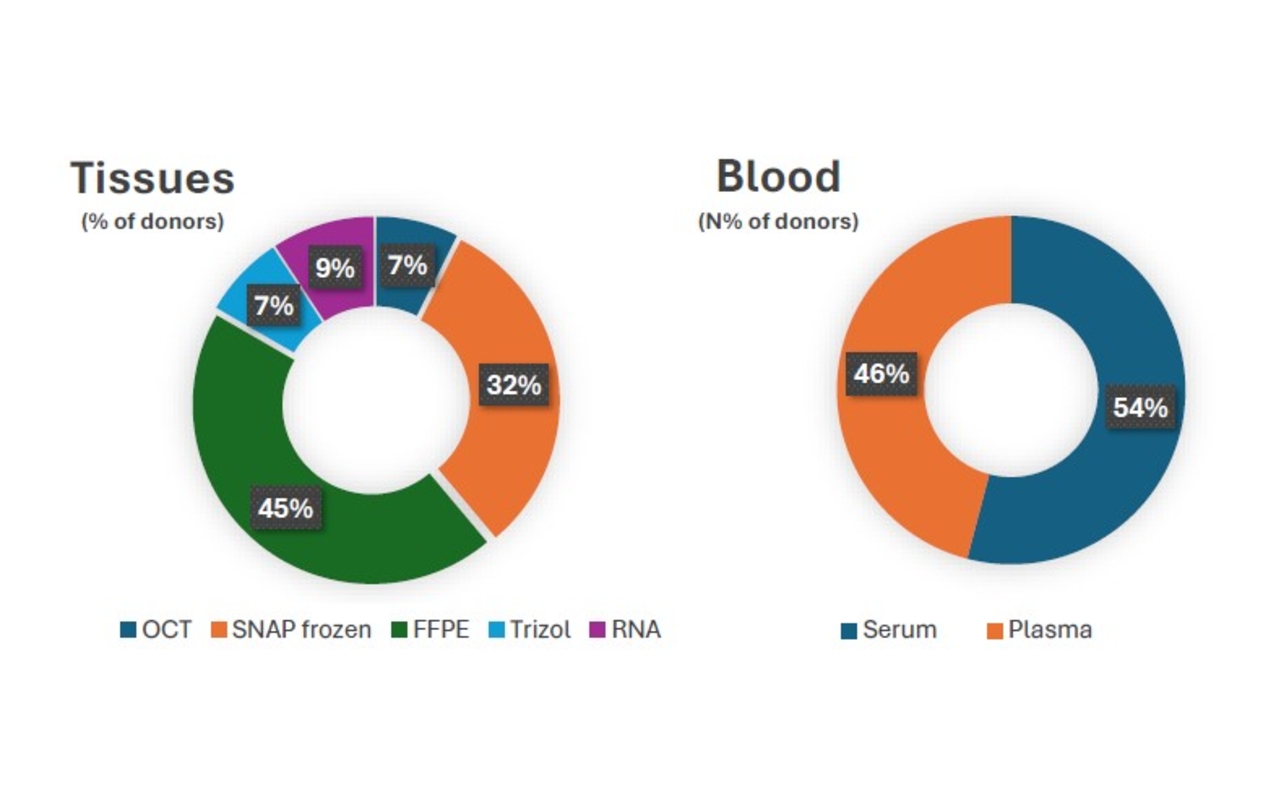
• Tissue (OCT / SNAP frozen / FFPE blocks / Trizol, RNA)
• Wound bandage cells
• Blood (serum, plasma)
• Microbiome (swabs, stool)
• Urine
Types of collections
• Cross-sectional samples
• Longitudinal samples
EB Cell Atlas
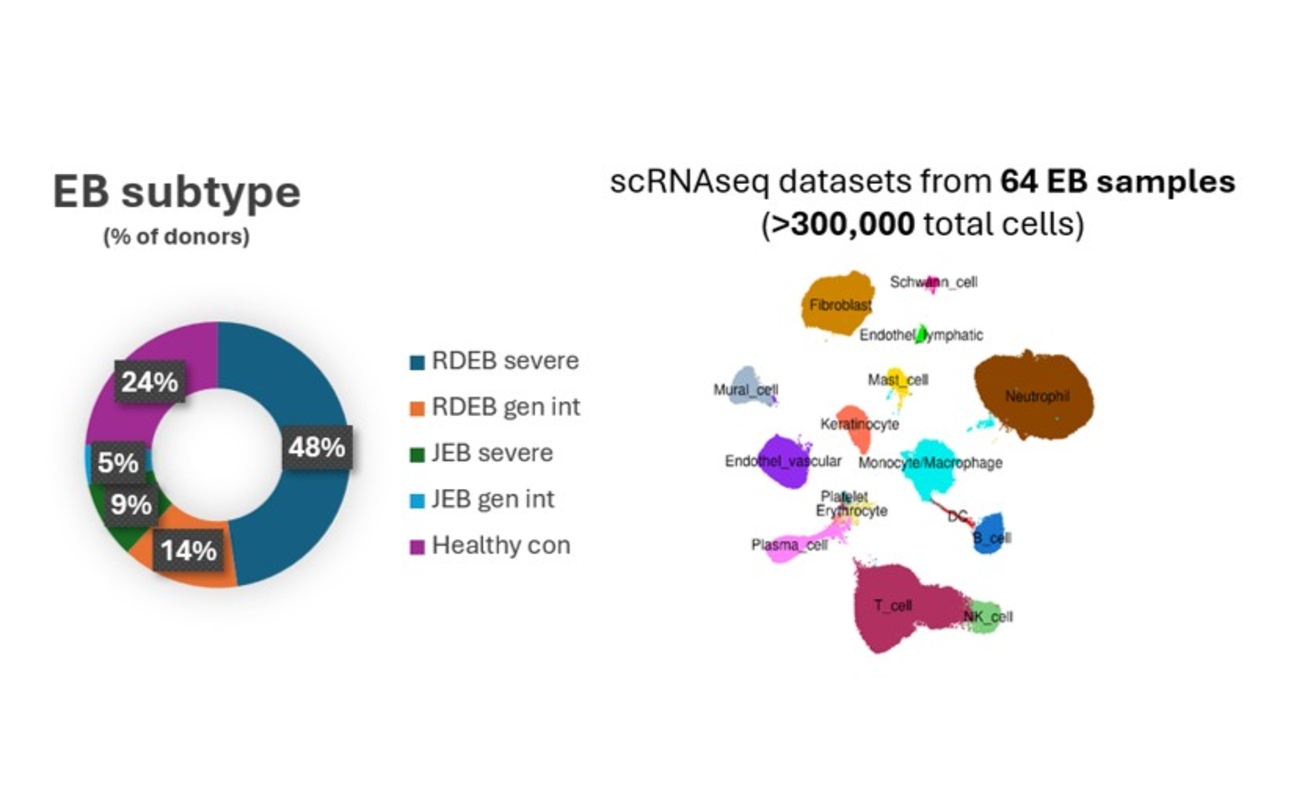
• The currently existing EB Cell Atlas consists of severe and generalized intermediated RDEB and JEB samples
• This allows us to map key molecular and cellular mechanisms that might drive disease severity in RDEB
• The diversity of samples enables mapping different features of the disease manifestation
EB Hub
• Cells are isolated from skin, tumortissue, oral tissue und wound bandage
• Reflects a range of disease stages, severities, and patient heterogeneity
• Primary and immortalized cell lines
• Patient matching cell lines
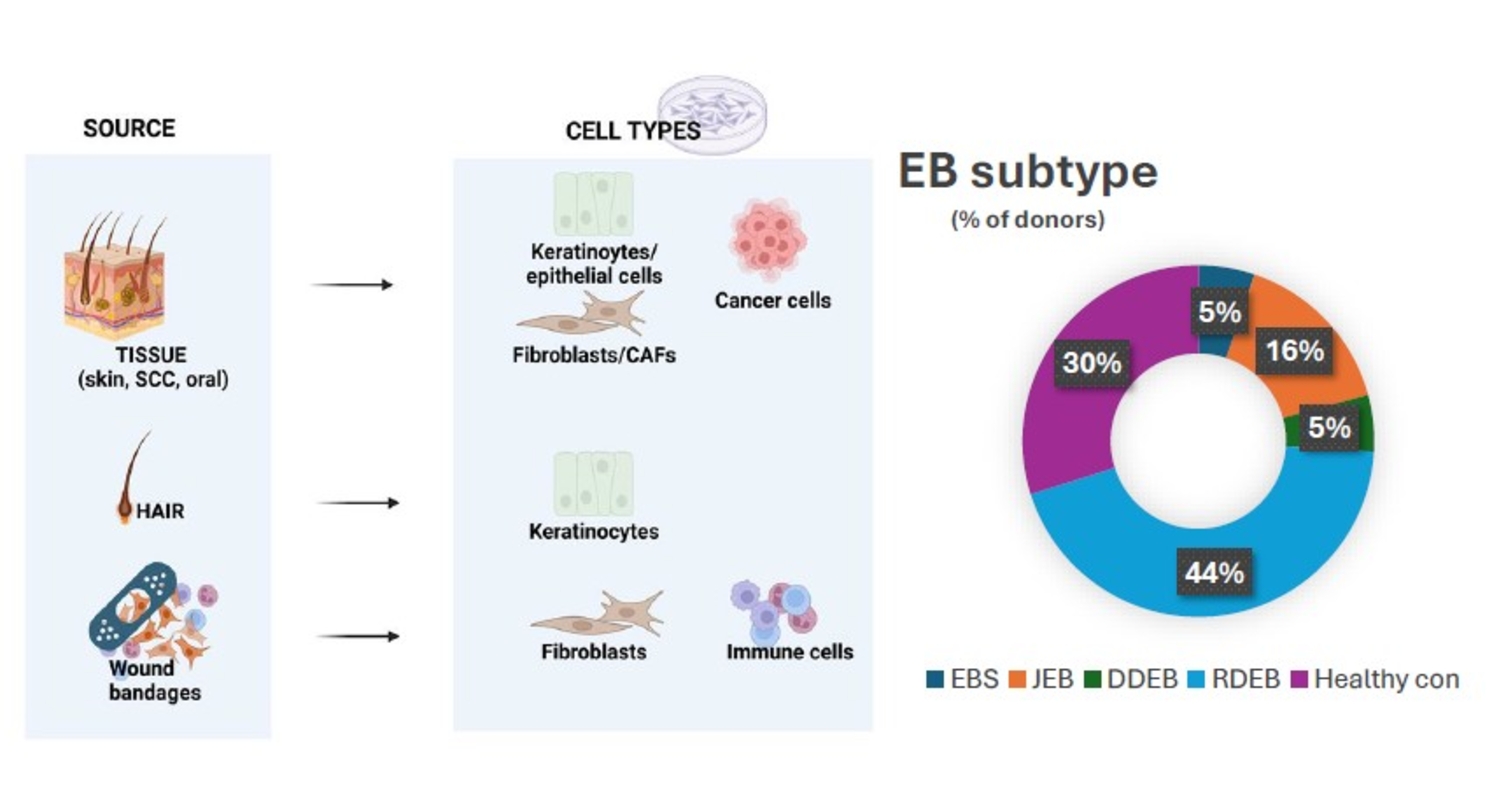
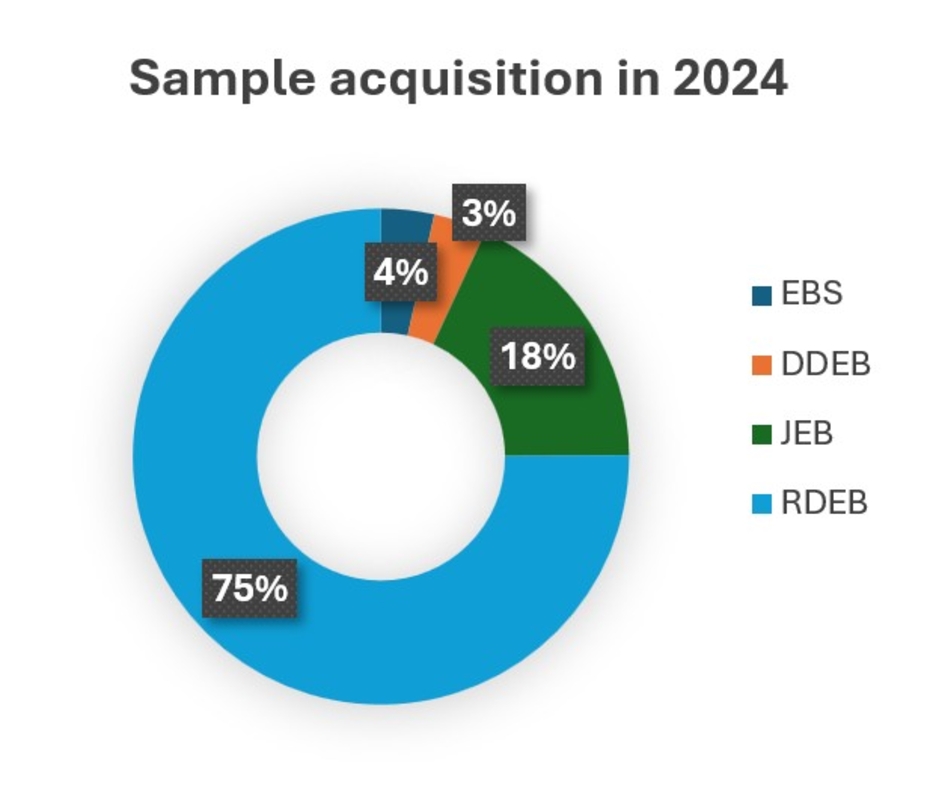
EBS: Epidermolysis bullosa simplex, JEB: Junctional Epidermolysis bullosa, DDEB: Dominant dystrophic Epidermolysis bullosa, RDEB: Recessive dystrophic Epidermolysis bullosa, HC: healthy control;