In Vivo Expertise
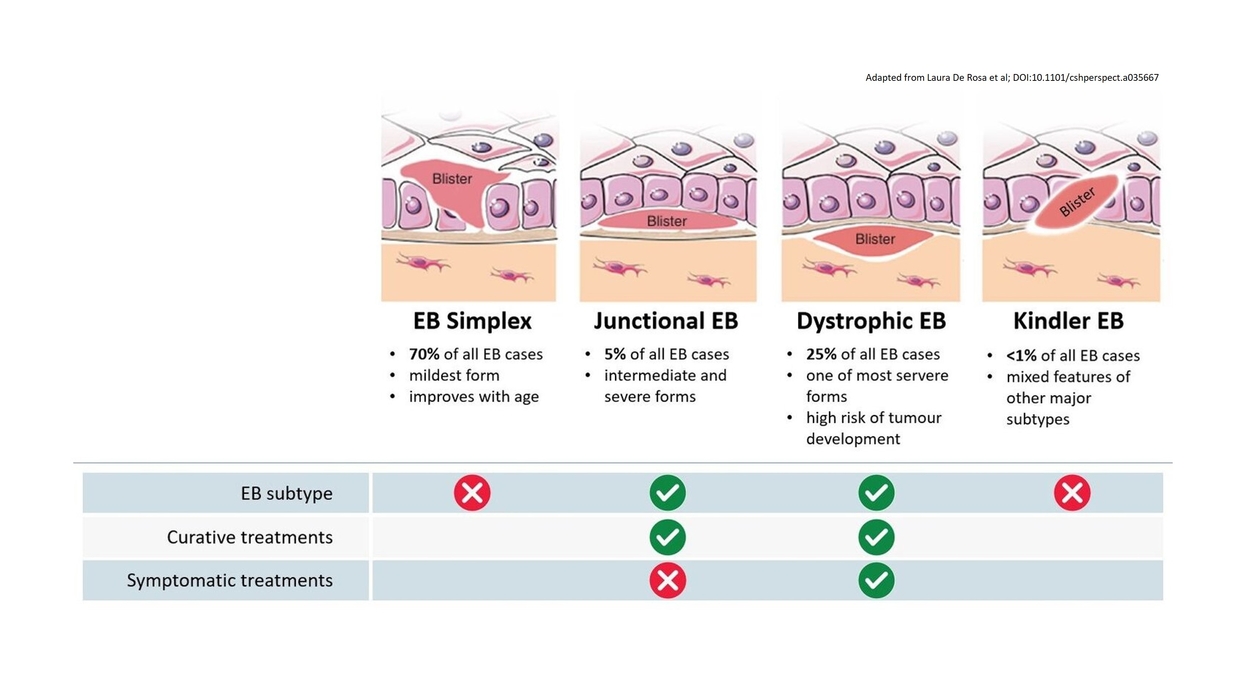
We work with and further developing in vivo models to advance therapies for epidermolysis bullosa, with a focus on JEB and dystrophic EB.

Our platform includes human skin equivalent xenografts and disease-relevant mouse models that support preclinical testing of gene editing, gene replacement, and other therapeutic approaches.
Xenograft Models
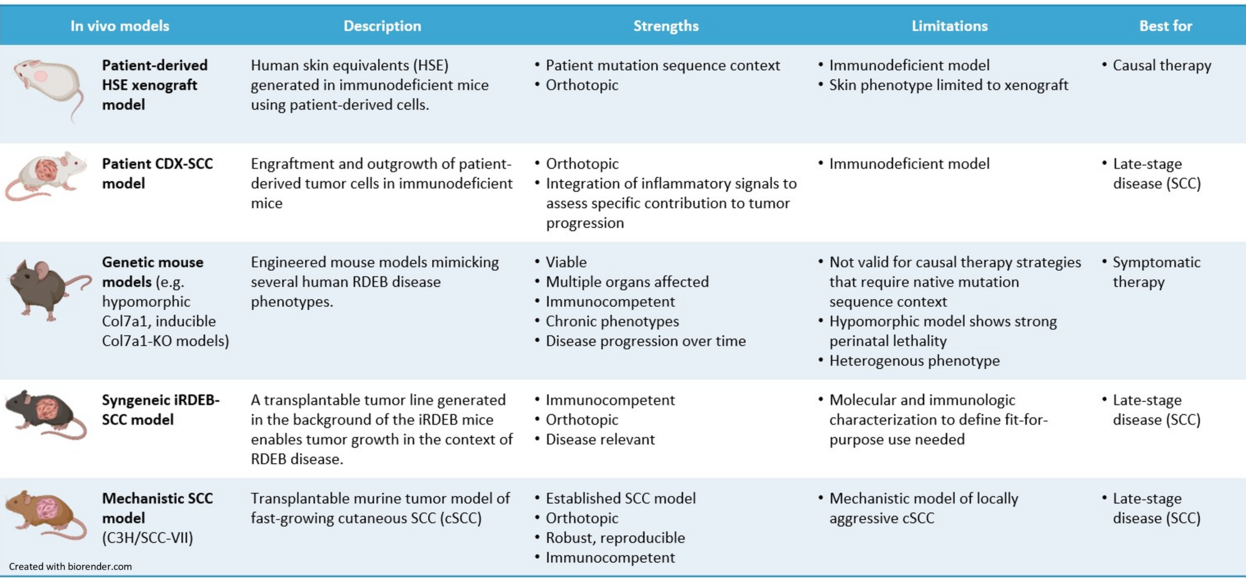
- HSE xenograft models: Fully stratified human skin generated on immunodeficient mice using patient-derived cells. These models support the development of causal therapies, including gene editing, readthrough, and antisense oligonucleotide approaches.
- CDX models: Orthotopic engraftment of patient-derived tumor cells in immunodeficient mice enables the study of tumor growth in a physiologically relevant tissue context.
Syngeneic Murine Models
- Genetic murine models: Spontaneous, engineered, or inducible knockout models that capture disease progression and support therapy development.
- Mechanistic murine tumor model: Orthotopic transplantation of SCC-VII cells into syngeneic C3H recipients provides a robust model of fast-growing, immunologically “cold” SCC.
JEB in vivo models
Human skin equivalent (HSE) xenograft models preserve the native mutation sequence context of the patient, making them ideal for the development of gene editing.
Engineered or spontaneous mutant mouse models show progressive disease and mimic several key human JEB symptoms, including skin fragility, inflammation and fibrotic modeling, and systemic disease burden. These enable mechanistic insights into disease progression and preclinical validation of symptomatic interventions.

RDEB in vivo models
Human skin equivalent (HSE) xenograft models preserve the native mutation sequence of the patient, ideal for testing of gene replacement, gene editing, and readthrough therapies in clinically-relevant settings.
An inducible Col7a1 knock-out murine model (iRDEB) captures disease progression, supporting early-stage disease characterization and therapy development. A syngeneic tumor line in the iRDEB model, along with patient tumor cell line xenograft models, additionally enable late-stage SCC therapy development.
Our in vitro, ex vivo, and in vivo preclinical models are available to support drug development for EB. We are always happy to connect with researchers and partners who may benefit from these models in their own development programs. If you are interested in exploring a collaboration, please feel free to reach out to us by email at info@eb-ri.org