Our team recently participated in the Annual Congress of the European Association for Cancer Research (EACR), held in Budapest, Hungary, from 8–11 June 2026. The conference brought together leading academic researchers, clinicians, and industry experts to discuss the latest developments in cancer biology, translational research, and innovative therapeutic approaches.
As part of the scientific program, Dr. Daniela Stoica-Andrei presented our ongoing work exploring statins as potential anti-tumor agents for patients with Recessive Dystrophic Epidermolysis Bullosa (RDEB).
Investigating Lovastatin as a Potential Anti-Tumor Drug in RDEB-Associated SCC
Studies in the general population have investigated whether people who take statins, commonly used to lower cholesterol, may have a lower risk of developing cancer. Together with laboratory studies showing that statins can inhibit tumor cell growth, these findings suggest that statins may have potential anti-cancer effects. While statins would provide a highly interesting approach, questions remain about how to use them effectively as a cancer treatment and if it would also work in RDEB tumors. The presentation focused on our recent findings in cell culture experiments demonstrating an anti-tumor activity of lovastatin in RDEB-squamous cell carcinoma (SCC), one of the severe and life-threatening complications affecting individuals with RDEB.
While our laboratory experiments showed that statins could slow the growth of RDEB cancer cells, we also observed that under certain conditions cancer cells were able to adapt to the treatment and thereby escape its anti-tumor effects. To this end, we tested statins in combination with other drugs and found that these combinations may help prevent cancer cells from adapting to statin treatment, thereby strengthening their anti-tumor effects and more effectively slowing tumor growth.
The presentation generated valuable discussions with both academic researchers and industry representatives, further increasing awareness of the urgent need for innovative therapeutic approaches targeting aggressive SCC in Epidermolysis Bullosa.
Emerging Trends in Cancer Research
Beyond our own research, the EACR Congress provided important insights into several rapidly evolving areas of cancer science.
A recurring theme throughout the meeting was the expanding understanding of the immune system's role in cancer. While T cells remain central to many immunotherapeutic approaches, researchers increasingly recognize the importance of additional immune cell populations in regulating anti-tumor responses. These findings are broadening current perspectives on cancer immunology and may lead to the development of more comprehensive treatment strategies.
Another major focus was the tumor microenvironment and the growing view of tumors as complex ecosystems. Presentations highlighted the dynamic interactions between malignant cells, stromal components, and immune populations that collectively shape disease progression, metastatic potential, and treatment response.
The conference also showcased advances in next-generation cancer models. Researchers presented increasingly physiologically relevant experimental systems, including tumor spheroids and other three-dimensional models, which more accurately recapitulate tumor biology. These technologies offer powerful tools for studying therapeutic efficacy, understanding drug resistance mechanisms, and accelerating translational research.
Strengthening Collaboration and Driving Innovation
Participation in EACR 2026 provided an excellent opportunity to strengthen collaborations, exchange scientific knowledge, and explore emerging technologies relevant to our mission to develop novel therapeutic strategies that address the unmet medical needs of individuals living with Epidermolysis Bullosa.
Project Funding by DEBRA Austria, DEBRA-UK and DEBRA France (GR000040) and PMU-RIF (2023-UP-012-Zauner)
Project: Exploring the Potential of Statins in Treating RDEB Skin Cancer | DEBRA UK
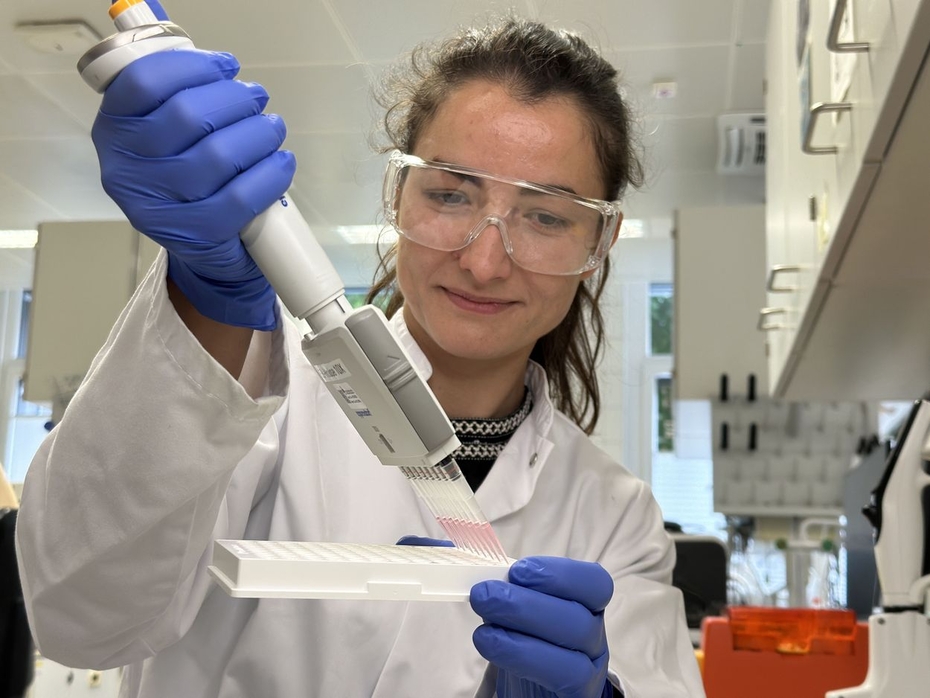
Dr. Daniela Andrei-Stoica working in the Laboratory.
© EBRI
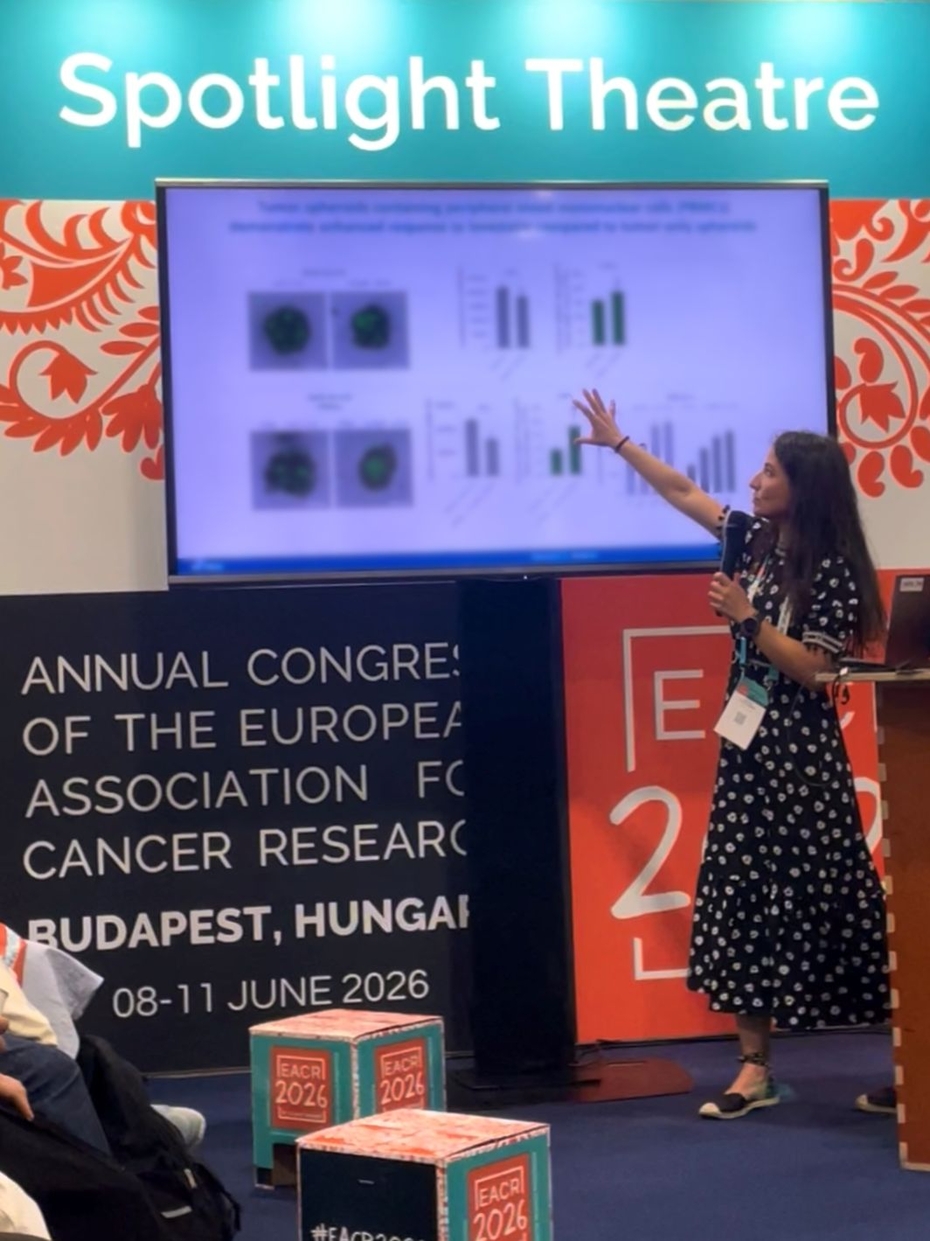
Dr. Daniela Andrei-Stoica presenting her research at the Annual Congress of the European Association for Cancer Research (EACR).
© EBRI
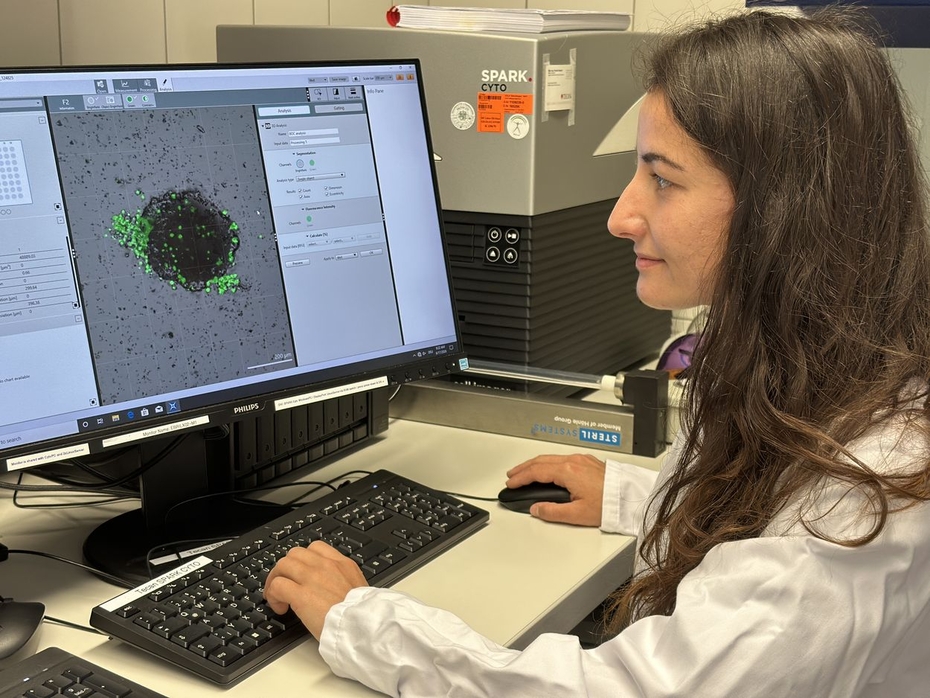
Dr. Daniela Andrei-Stoica working in the Laboratory.
© EBRI